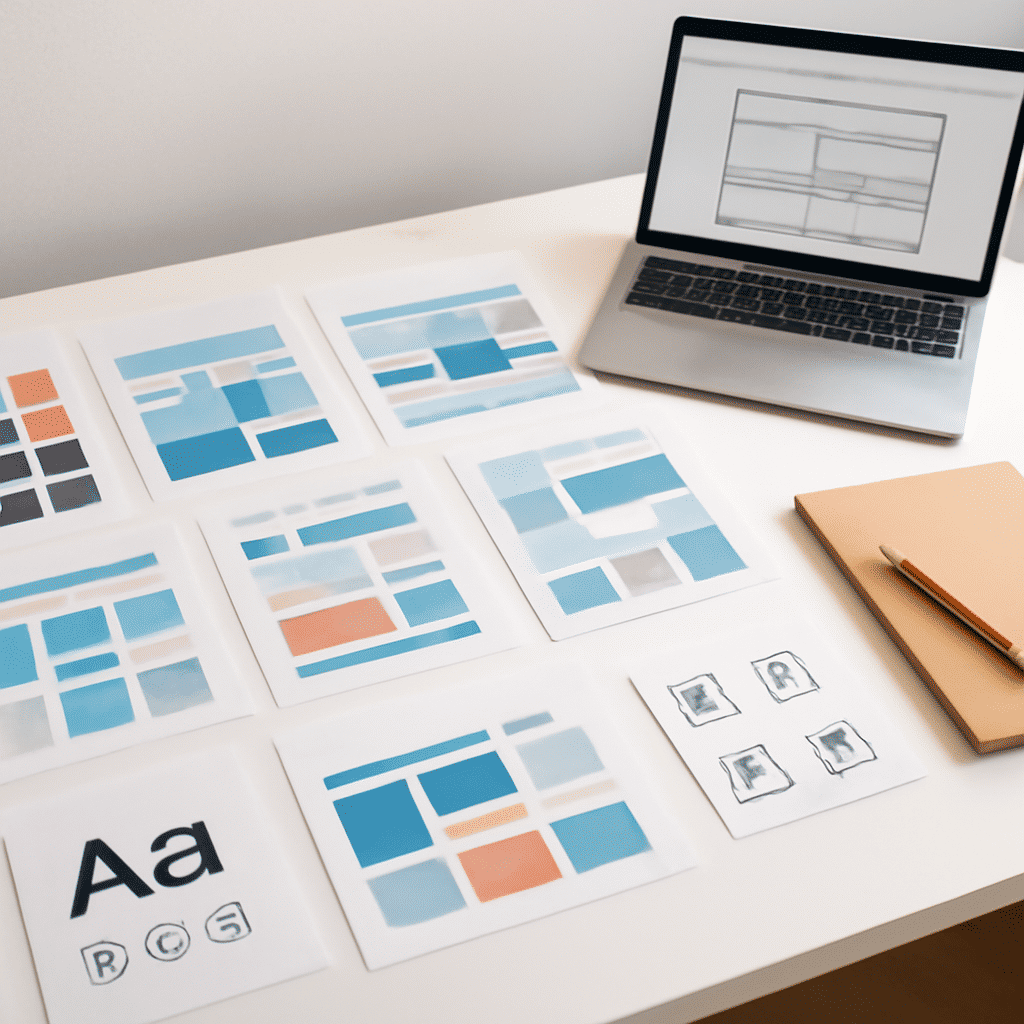
In today's digital landscape, the art of merging graphic design principles with web layouts is essential in creating visually engaging and functional sites. This fusion of aesthetics and usability serves to capture user interest while ensuring seamless navigation. Let's delve into how elements like color, typography, and images collaboratively enhance web design.
Color Psychology
Color is a powerful communication tool in design, conveying emotions and influencing behavior. Selecting a color palette is not simply about personal preference; it involves an understanding of color psychology. For instance, blue is often associated with trust and dependability, making it a popular choice for corporate sites, while bright hues such as orange can stimulate energy and enthusiasm. Harmonious color schemes create balance and cohesiveness, subtly guiding the user's attention to key elements on a page.
Typography Selection
Typography is another critical factor in web layouts that affects readability and sets the tone of a site. Choosing the right fonts involves considering style, size, and spacing. Serif fonts, with their traditional feel, can convey reliability and formality, while sans-serif fonts offer a modern and clean look. Additionally, the hierarchy created through the use of varied font sizes and weights helps to emphasize important content, ensuring that users can easily digest the information presented.
Impact of Imagery
Images carry significant weight in web design, often serving as the first impression for users. High-quality, relevant imagery can captivate attention and provide context, enhancing the overall narrative of a site. Consistency in style—whether through photographs, illustrations, or icons—maintains visual coherence. Optimizing images for quicker load times is crucial, as it ensures that a smoothly functioning site doesn't sacrifice aesthetic quality.
Layout Composition
An effective layout is a blend of structure and creativity, organizing content in a way that's both intuitive and engaging. Employing grids helps designers maintain alignment and spacing, delivering a sense of order and predictability. Meanwhile, white space, or negative space, prevents a design from feeling overcrowded, offering visual breathing room and focusing the user's eye on specific elements.
Interactive Elements
Incorporating interactive elements can greatly enhance the user's engagement with a site. Buttons, hover effects, and animations not only make navigation more intuitive but also add an element of delight. However, it's crucial to ensure that these additions serve a functional purpose rather than merely decorating a page.
Usability Focus
While aesthetics play a significant role, the primary goal of integrating graphic design into web layouts is to enhance functionality and user experience. A beautifully designed site that frustrates users with poor navigation or slow load times falls short of its potential. Usability testing can help identify and rectify issues that detract from user satisfaction, ensuring that design choices support rather than hinder usability.
In conclusion, the application of graphic design principles in web layouts is an intricate dance of creativity and practicality. By thoughtfully considering elements such as color, typography, and imagery, designers can create sites that are not only visually appealing but also functional and user-friendly. The result is a cohesive digital experience that resonates with users and supports the overall goals of the site.