Master the Fundamentals of Web Design with FractalWave
Explore the essential aspects of creating visually stunning and effective websites.
Stay informed, stay ahead.



Explore the essential aspects of creating visually stunning and effective websites.
Stay informed, stay ahead.
“The sessions on graphic design and website aesthetics have elevated my understanding of creating visually appealing web platforms. A must-learn for any design enthusiast.”
Emily Carter
Graphic Designer
“Diving deep into HTML basics and CSS styling transformed my idle curiosity into a passionate pursuit of web layouts. Insightful and engaging learning experience!”
Johnathan Lee
Front-End Developer
“Understanding user experience principles and responsive design strategies has empowered me to craft intuitive digital landscapes. It's been an enlightening journey.”
Rebecca Moore
UX Researcher
“Color theory discussions opened my eyes to the impact of color in digital design. These insights have been foundational in my projects.”
Michael Perez
Digital Artist
“Responsive design elements discussed in the course have truly transformed my web projects into efficient, adaptive platforms.”
Sophia Bennett
Web Developer
“Website aesthetics and CSS styling topics have changed my approach to design, focusing more on harmony and visual cohesion.”
David Thompson
Art Director

Understand the role of graphic design in crafting compelling and functional websites.

Learn about key user experience principles that enhance website interaction and satisfaction.

Explore techniques for ensuring that your websites look great on any device or screen size.

Explore the foundational elements of web design, focusing on graphic design principles, effective web layouts, and user experience optimization. Understand the basics of HTML and CSS styling to create aesthetically pleasing and responsive websites. This section delves into essential color theory techniques that enhance website aesthetics, vital for anyone passionate about web design.


Dive into the essentials of web design where art meets technology. Learn to create visually stunning and user-friendly websites.

Discover key concepts and techniques to craft visually appealing and user-friendly websites.
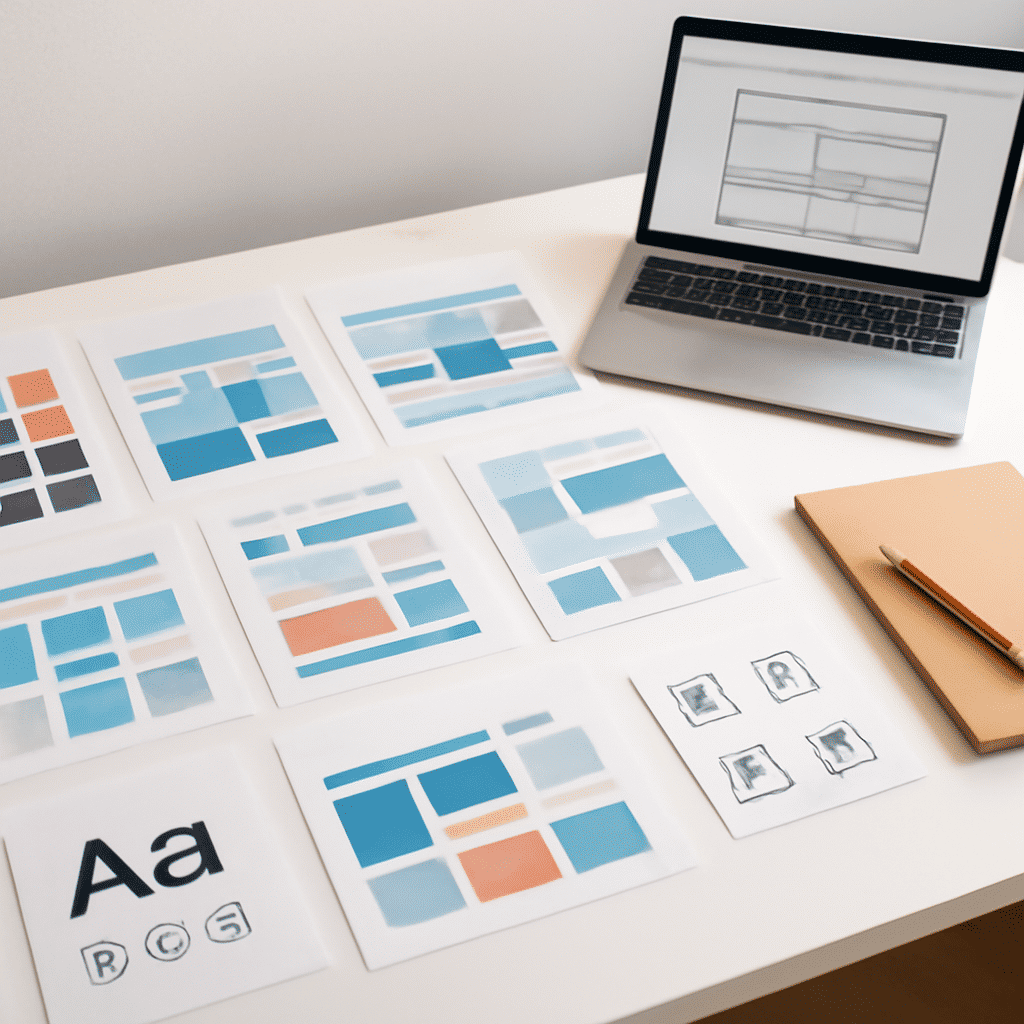
The fundamentals of graphic design in web design include understanding color theory, typography, and layout. These elements help create visually appealing websites that engage users and enhance the overall user experience.
User experience (UX) is crucial in web design as it affects how users interact with your website. A well-designed UX ensures that a website is intuitive, easy to navigate, and meets the needs of users, ultimately leading to increased satisfaction and engagement.
Responsive design ensures that websites function well across various devices, such as smartphones, tablets, and desktops. It involves using flexible layouts and CSS styling to ensure an optimal viewing experience, which is essential for user satisfaction and SEO.
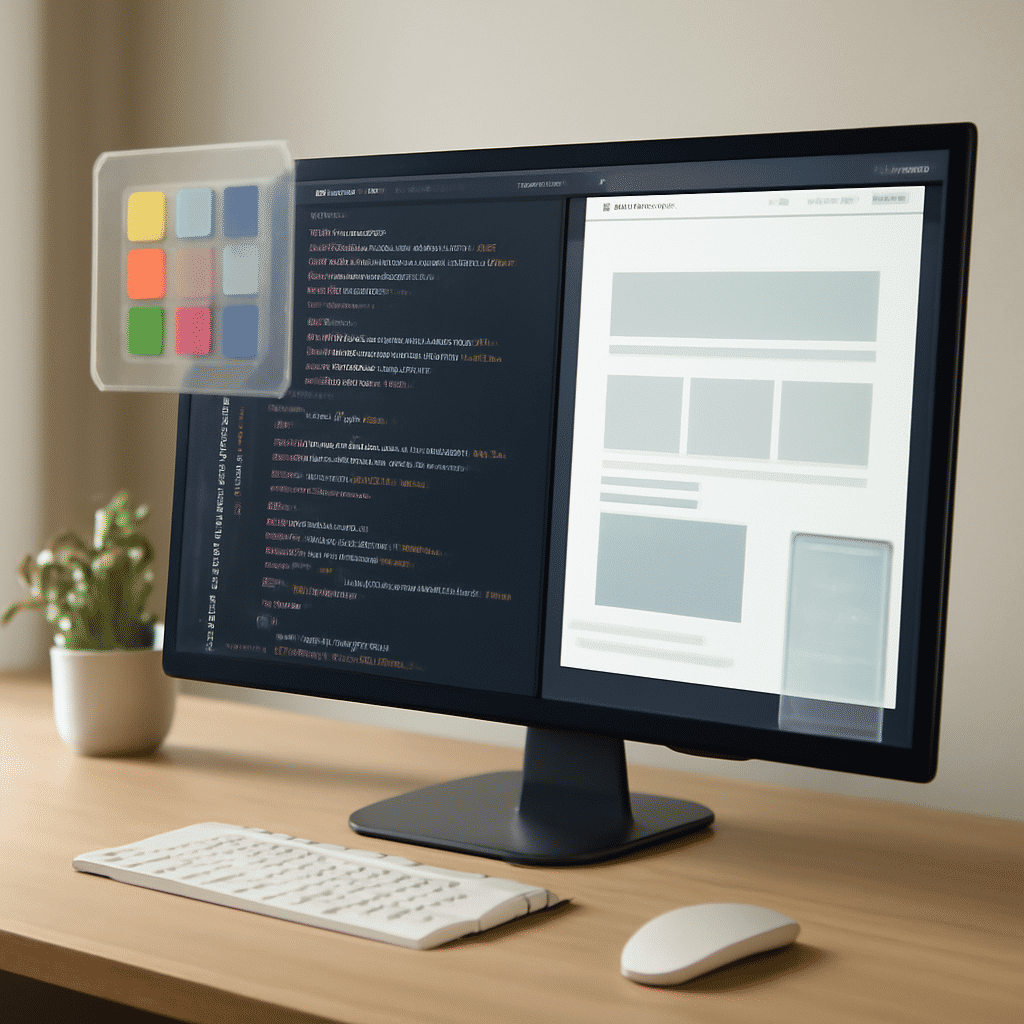
Beginners should focus on understanding the structure of HTML to build the framework of a website and using CSS to style and enhance its appearance. Key elements include tags, attributes, selectors, and properties, all of which contribute to creating a cohesive and visually appealing site.